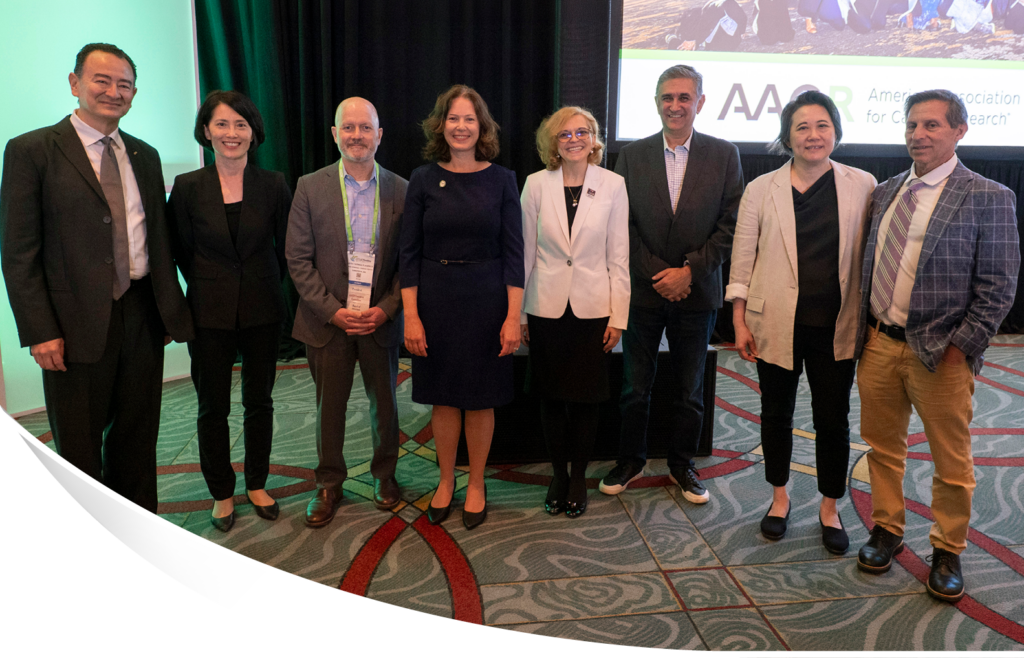
The Discovery Science Plenary Session “The Next Frontier in Minimal Residual Disease: Solid Tumors” explored the evolution of drug resistance, cell plasticity as driver of minimal residual disease (MRD), technologies for its detection, and targeting MRD in the clinic.
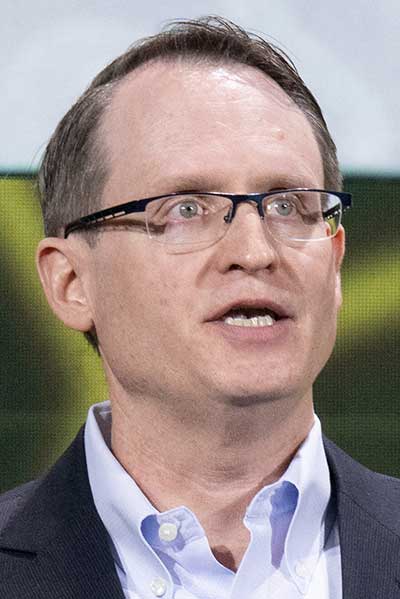
MRD refers to microscopic amounts of cancer cells that are left behind after treatment, are hard to detect, and can drive recurrence. While MRD has been used to personalize treatment in hematologic malignancies for decades, it is now an area of growing interest in solid tumors thanks to advances in our understanding of the biology of MRD and our ability to detect it, said session chair Maximilian Diehn, MD, PhD, of Stanford University.
Diehn pointed out that MRD in solid tumors can occur after systemic therapy in patients with advanced disease or after local surgery in patients with early-stage disease.
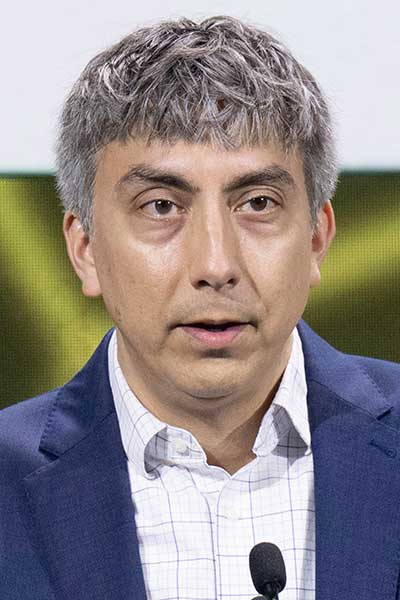
The first presenter, Aaron N. Hata, MD, PhD, of Massachusetts General Hospital, introduced the concept of drug-tolerant persister cells, borrowing terminology from bacteria. Drug-tolerant tumor persisters are different from drug-resistant cells in that they do not display pre-existing resistance but acquire it through epigenetic changes, and these cells can sometimes regain sensitivity upon drug withdrawal.
Building on this theory, Hata and team observed that EGFR-mutant lung cancer cell lines treated with EGFR inhibitors consistently evolved the EGFR T790M mutation, which is the most frequent mechanism of acquired resistance in patients treated with first-generation EGFR inhibitors. Early-emerging resistance arose from rare clones carrying pre-existing T790M mutations, while late-emerging resistance arose from persister cells that acquired the T790M mutation or other genomic resistance mechanisms during therapy. Late-emerging persisters had a higher mutational burden than pre-existing resistant cells, which was caused by an increase in APOBEC signature mutations. Hata and team went on to demonstrate that targeted therapies induce expression and activity of the APOBEC3A enzyme in lung cancer.
He also presented research on residual disease in ALK-positive lung cancer that led to the identification of a transitional cell population bridging untreated cell states and residual/relapsed cell states, which arises through the involvement of lineage-specific injury repair responses. This model, said Hata, could provide a useful paradigm for studying and targeting the early stages of therapy-persistent residual disease.
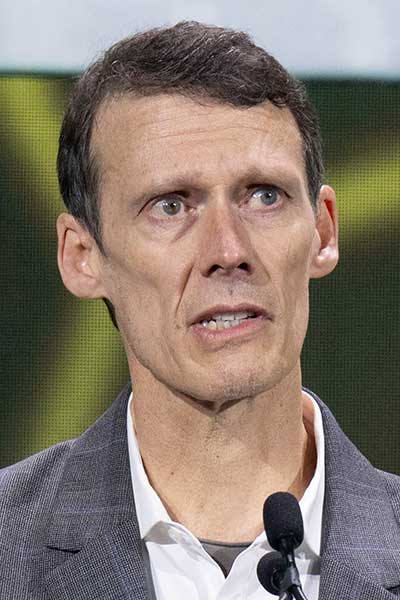
Jean-Christophe Marine, PhD, of the VIB-KU Leuven Center for Cancer Biology in Belgium, focused his talk on cancer cell heterogeneity and plasticity in melanoma. Due to the high frequency of mutations in melanoma, it is common to detect cells with pre-existing genetic alterations that confer resistance to targeted therapy. When such tumors are exposed to treatment, resistance emerges rapidly due to the positive selection pressure placed on the pre-existing resistant subclones, following a sort of genetic neo-Darwinian evolution, said Marine, adding that this scenario occurs in about 50% of cases.
However, his team’s research demonstrated that cell plasticity also plays a role in cancer cell phenotypic diversity and drug tolerance. He proposed a conceptual paradigm shift whereby plasticity can be harnessed, rather than endured, to mitigate therapy resistance, suggesting that, by promoting tumor heterogeneity, therapy also creates vulnerabilities that can be identified and targeted.
Marine and colleagues developed a physics-based framework to monitor plasticity through the lens of cell morphology by measuring cell surface and volume. This approach, called ORIGAMI, represents a broadly applicable and cheap method to capture phenotypic diversity that does not rely on the detection of specific signatures, said Marine.
The team leveraged ORIGAMI to study adaptation to therapy. Since all surviving cells tend to increase their volume, Marine explained, they searched for vulnerabilities of high-volume persister cells. This approach led to the identification of a multiple drug combination of four different agents to simultaneously target different vulnerabilities. He and his collaborators are now working toward converting this experimental drug combination into a clinically compatible combination of FDA-approved drugs.

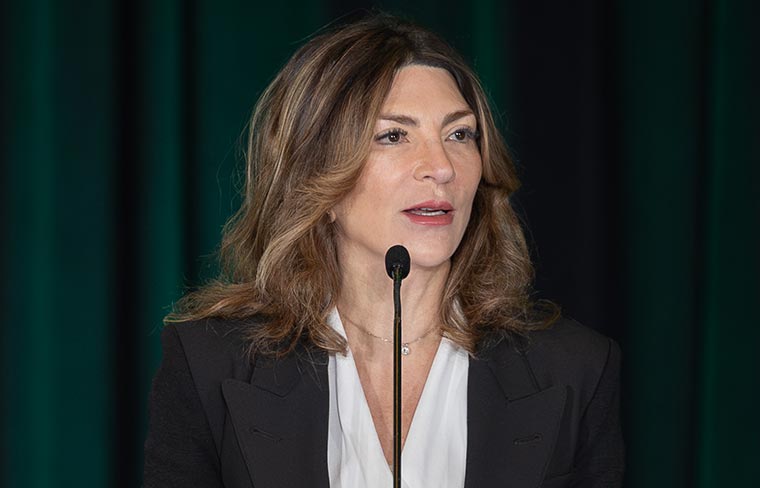
Presenter Dan A. Landau, MD, PhD, of Weill Cornell Medical College and the New York Genome Center, highlighted research tracing the evolutionary history of cancer. “We typically study this [cancer cell] heterogeneity using different powerful lenses that are rarely integrated,” said Landau, explaining that one mission of his laboratory is to generate novel single-cell multiomics technologies that can bring those different perspectives together at the level of the single cell.
They are also trying to integrate time so they can study when a clone arose, how fast it grows, and even whether the different cell states and phenotypes associated with residual disease are heritable. “Evolutionary biology gives us as a temporal microscope to trace back the history of cancer,” Landau explained.
To do this, the team generates high-resolution phylogenetic trees directly from patient samples. They capture what they call “epimutations,” or stochastic changes to DNA methylation that occur as errors when the cell genome is copied. These are heritable and can be used to reconstruct phylogenies, said Landau.
Another focus of Landau’s research is the development of new methods to use circulating tumor DNA (ctDNA) as a dynamic clinical sensor to monitor residual disease and predict patient outcomes. Due to the low number of ctDNA copies of any given gene in a blood sample, which limits sequencing depth, Landau suggested whole genome mutational integration as a strategy to overcome this limitation. Tracking 10,000 mutations with lower sequencing depth should be statistically equivalent to looking at one spot in the genome 10,000 times, but would require lower concentrations of ctDNA, he argued.
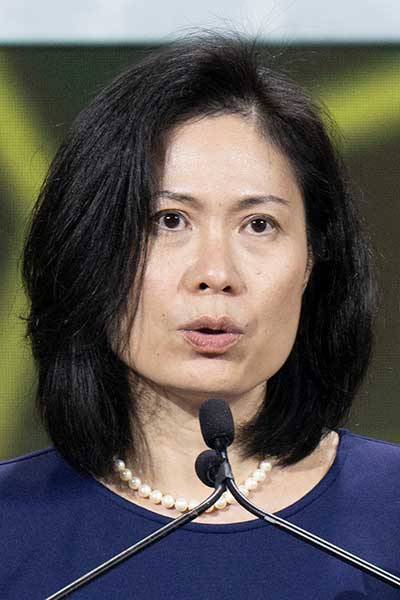
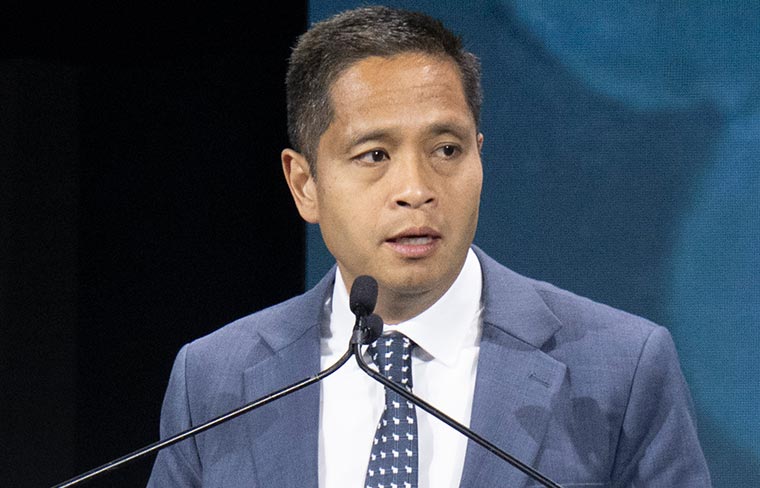
Last, presenter Jeanne Tie, MD, of Peter MacCallum Cancer Centre and the Walter and Eliza Hall Institute in Australia, discussed the impact of MRD in guiding clinical trial design for colorectal cancer. “As a clinician, I find what is most compelling about MRD is where this biology is now clinically actionable,” Tie said.
Tie emphasized how patient selection for adjuvant chemotherapy trials is traditionally guided by risk and not by the presence of disease, which results in treating many patients—exposing most of them to unnecessary toxicities—to benefit a few. On the other hand, a trial design based on treating MRD-positive patients would allow for enrichment of those likely to benefit from therapy, translating to a dramatic improvement in trial efficiency, Tie explained.
She reviewed the potential of ctDNA as a clinical tool for patient selection based on MRD status. She identified three landmark windows where detection of MRD can add clinical value: post-operatively, to help figure out which patients need adjuvant therapy and who might safely avoid it; at the end of treatment, to flag patients who may need additional treatment; and during surveillance to detect relapse earlier, which would lead to earlier intervention and more salvage opportunities.
Tie added that the regulatory pathway for ctDNA is opening up for solid tumors, explaining that FDA guidance identified three main areas of application: patient enrichment after definitive local therapy; measure of drug activity in early-phase trials to prioritize which drugs to move forward into randomized studies; and as an early endpoint for drug approval, which has not been validated, but is recognized as having potential. “The FDA explicitly recommends quantitative ctDNA analysis at multiple time points and calls for prospective randomized data with long-term outcomes,” Tie said. “The field now has to answer this invitation.”
The recording of the full session is available for registered Annual Meeting attendees through October 2026 on the virtual meeting platform.
More from the AACR Annual Meeting 2026 »
View a photo gallery of scenes from San Diego, join the conversation on social media using the hashtag #AACR26, and read more coverage in AACR Annual Meeting News and on Cancer Research Catalyst, the official blog of the AACR.