During the final session of the AACR Annual Meeting 2026, experts reviewed groundbreaking advances presented across the continuum of cancer research—identifying key takeaways from the plethora of basic/translational studies, population sciences research, and clinical trials presented throughout the conference.
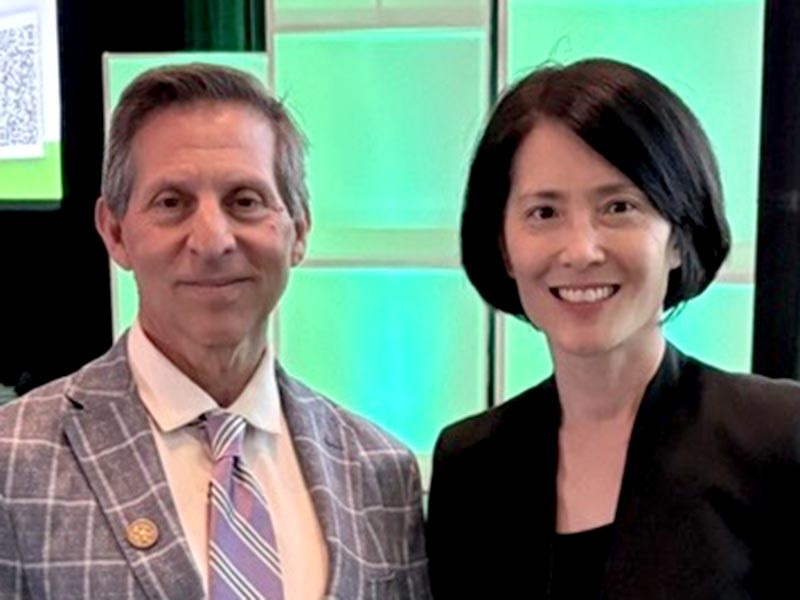
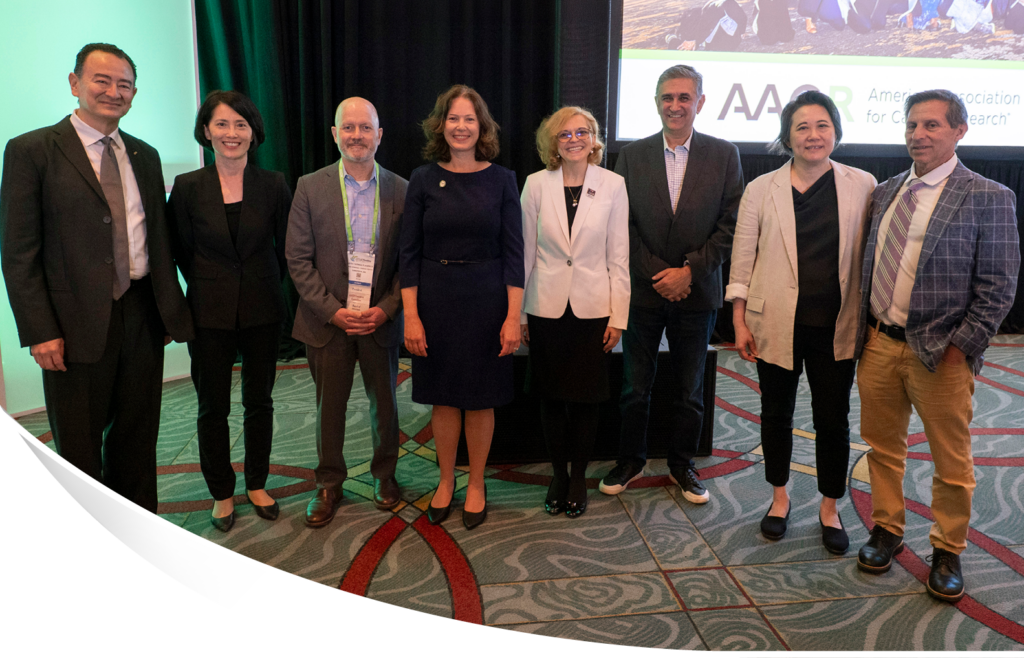
The session, “AACR Meeting 2026 Highlights,” was organized by Annual Meeting Program Chairs Paul S. Mischel, MD, FAACR, of Stanford University, and Alice T. Shaw, MD, PhD, FAACR, of Dana-Farber Cancer Institute.
“One thing I hope you all feel right now, and I feel it, is inspired,” said Mischel, as he welcomed attendees to the session. “There’s never been a more important time for cancer research, and I think what we’ve seen over the last few days is nothing short of stunning.”
“We had hundreds of scientific sessions and so many opportunities to learn about the latest advances in cancer research and medicine,” added Shaw.
The first presenter was Katerina A. Politi, PhD, of Yale Cancer Center, who identified several themes emerging from the meeting’s presentations in basic and translational science.
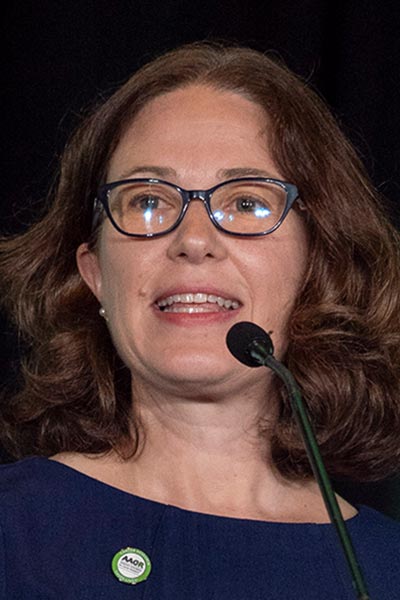
One major takeaway, Politi said, was that fundamental insights into cancer biology are revealing new strategies to treat cancer and overcome treatment resistance. As one example, she pointed to an expanded understanding of RAS signaling that is uncovering opportunities to combat the enduring challenge of treatment resistance. Insights into how resistance to other therapeutics forms, including the roles of persister cells and lineage plasticity, are similarly revealing new strategies to improve treatment response, Politi said.
Politi also emphasized the many novel therapeutic strategies discussed at the meeting that showed promise in preclinical models, including proximity-induced approaches beyond protein degradation, the use of diverse payloads or dual payloads for antibody-drug conjugates (ADCs), designing chimeric antigen receptor (CAR) T cells to reprogram the immunosuppressive tumor microenvironment, applying artificial intelligence (AI) to design T-cell receptors, and using vaccines to amplify the response to immunotherapy.
Other key advances identified by Politi included new understanding of the cancer genome, insights into how the tumor microenvironment and macroenvironment contribute to immune evasion, and the interplay between the nervous and immune systems, among others. Technological innovations, such as AI, new bioinformatic tools, and tumor-specific nerve labeling, continue to accelerate progress, Politi noted.
“The cancer research community is making what sometimes seems impossible, totally possible,” said Politi. “I can’t wait to see what we do in the years to come.”
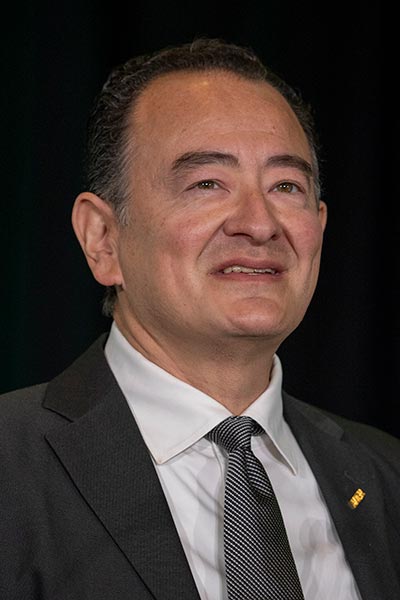
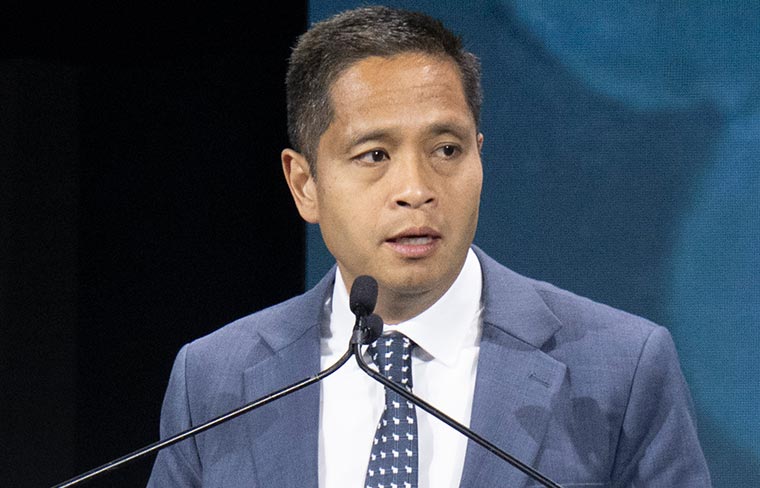
Next, Christopher I. Li, MD, PhD, of Fred Hutchinson Cancer Center, highlighted novel strategies presented at the meeting for cancer prevention, early detection, interception, addressing disparities, and community outreach and engagement.
Li reviewed results that suggested roles for ultraprocessed foods and postpartum biology in the development of cancer, as well as findings suggesting that aspirin and surgical removal of the fallopian tubes could help prevent colorectal and ovarian cancer, respectively.
For early detection, he highlighted approaches such as AI-enhanced precision screening for colorectal cancer, newborn cancer screening, and image-based AI models. He added that while multicancer early detection tests (MCEDs) have shown promise, there are also real harms associated with them. The field, therefore, needs to apply both urgency and rigor when developing and evaluating these tests, he said.
Li also reviewed presentations where using vaccines to intercept cancer in individuals with Lynch syndrome or ductal carcinoma in situ showed immunogenicity and efficacy.
Several sessions also examined potential policy changes that could help prevent cancer or detect it early, including efforts to reduce the use of e-cigarettes, increase the number of individuals eligible for lung cancer screening, and expand insurance coverage and access to health care, Li noted.
Broader insurance coverage can also help address disparities, Li said, pointing to a study that found longer survival among patients with cancer who resided in states with Medicaid expansion, particularly among those living in rural or high-poverty areas. Additional strategies for addressing disparities included the use of geospatial tools and machine learning to identify hotspots of cancer diagnoses, self-sampling to increase the uptake of cervical cancer screening, and community outreach and engagement to communicate complex medical information in culturally tailored ways.
“We’re integrating advances in multiomic technologies, AI, data science, and clinical medicine, pairing these with best practices in community engagement, all to have a positive impact across the full cancer continuum from primary prevention to survivorship,” he said.
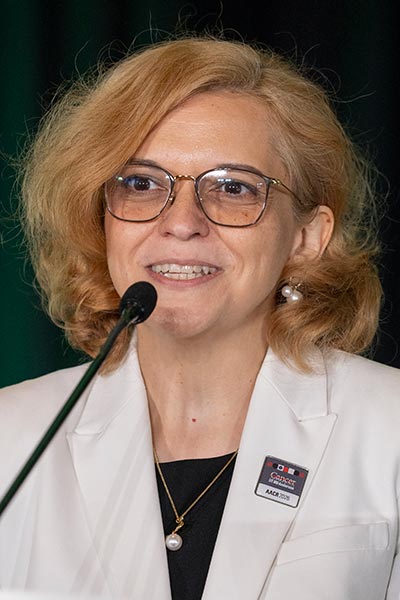
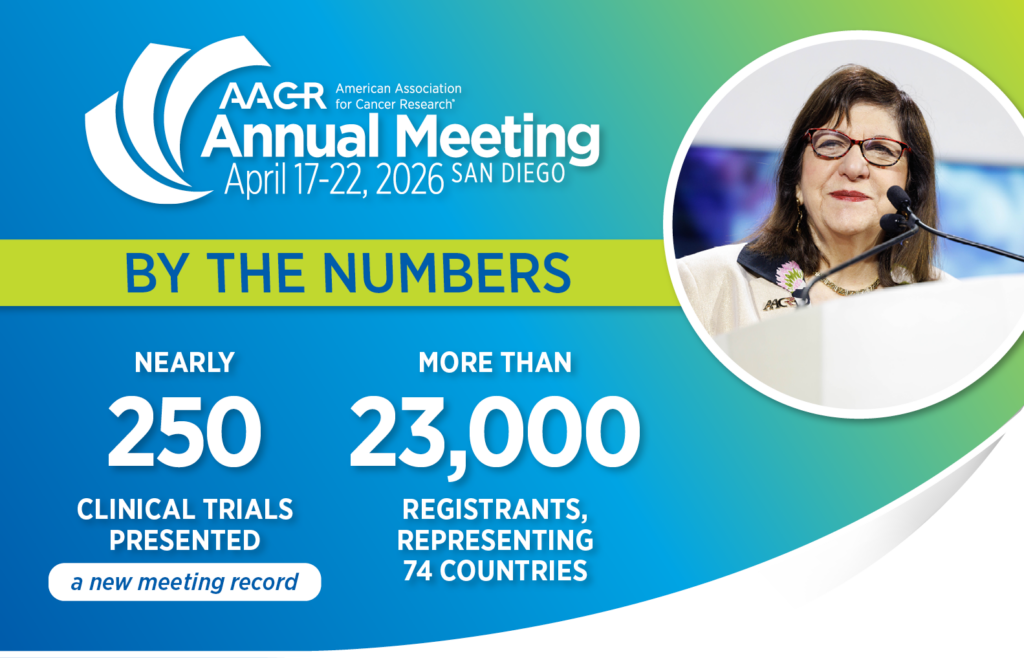
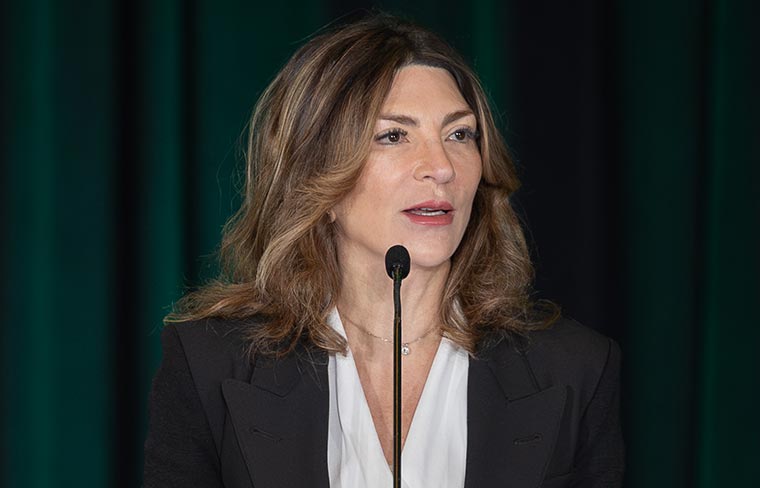
Annual Meeting Clinical Trials Program Committee Co-chair Ecaterina E. Dumbrava, MD, of The University of Texas MD Anderson Cancer Center, summarized impactful results from the nearly 250 clinical trials abstracts in this year’s program.
“The ‘wow’ award for this meeting goes to KRAS,” she said, pointing to promising efficacy for several investigational KRAS inhibitors. The G12D-RAS-ON inhibitor zoldonrasib led to responses in patients with pretreated, KRAS G12D-mutated non-small cell lung cancer, results that Dumbrava called potentially practice-changing, explaining that there are currently no KRAS G12D inhibitors approved for clinical use.
Daraxonrasib, a multi-RAS-ON inhibitor recently reported to be effective against pretreated, metastatic pancreatic cancers, was found to also be effective in the first-line setting, either as monotherapy or in combination with chemotherapy. And the RAS-OFF inhibitor elisrasib showed efficacy against pretreated KRAS G12C-mutated lung cancers, including those that had been previously treated with another KRAS G12C inhibitor. Elisrasib also showed efficacy as second-line treatment for pancreatic and colorectal cancers.
Among trials evaluating ADCs, Dumbrava pointed to promising efficacy from investigational ADCs that target claudin 6 or folate receptor α, as well as from a novel combination of trastuzumab deruxtecan (Enhertu; T-DXd) with olaparib (Lynparza).
Another effective combination strategy was the WEE1 inhibitor zedoresertib with the PKMYT1 inhibitor lunresertib for advanced solid tumors that harbor CCNE1, FBXW7, or PPP2R1A alterations.
CAR T-cell therapy was found to be effective against smoldering multiple myeloma, highlighting a novel interception strategy. While mesothelin-targeted CAR T cells and CCR8-targeted antibodies had “disappointing efficacy,” Dumbrava emphasized that “there are no negative trials,” as even negative findings can reveal new insights.
Finally, Dumbrava noted that many clinical trials highlighted the power of circulating tumor DNA as a dynamic biomarker that can influence dose selection, treatment escalation or de-escalation, response assessment, and patient stratification.
As AACR Immediate Past President Lillian L. Siu, MD, FAACR, closed the meeting, she asserted that “we made progress because of the collective efforts, wisdom, innovation, and hard work of our entire scientific community.”
The session recording is available for registered Annual Meeting attendees through October 2026 on the virtual meeting platform.
More from the AACR Annual Meeting 2026 »
View a photo gallery of scenes from San Diego, join the conversation on social media using the hashtag #AACR26, and read more coverage in AACR Annual Meeting News and on Cancer Research Catalyst, the official blog of the AACR.