The AACR Annual Meeting 2026 has dedicated several sessions and events to the science of survivorship and the importance of patient perspectives in cancer research, creating a harmonious forum for collaboration between those who research and treat cancer and those who are most affected by it.
Research on the science of survivorship
As cancer research progresses, more patients are surviving their encounters with the disease, and they are doing so for longer periods of time—which has expanded the mission of cancer research from prolonging life to improving quality of life as well. This year, the meeting’s survivorship track will feature a new session type on Advances in Survivorship Research, which will cover progress in adapting treatments to balance anticancer efficacy with long-term risk reduction and quality-of-life conservation.
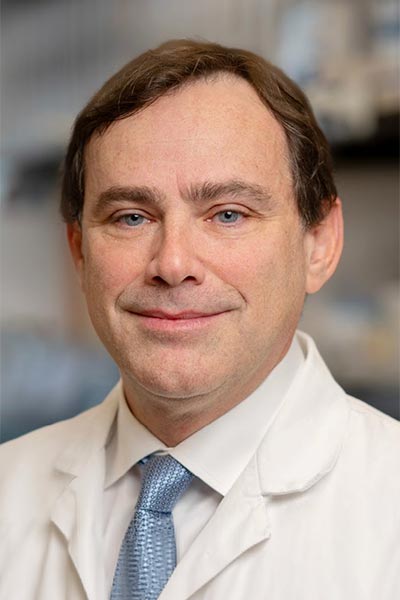
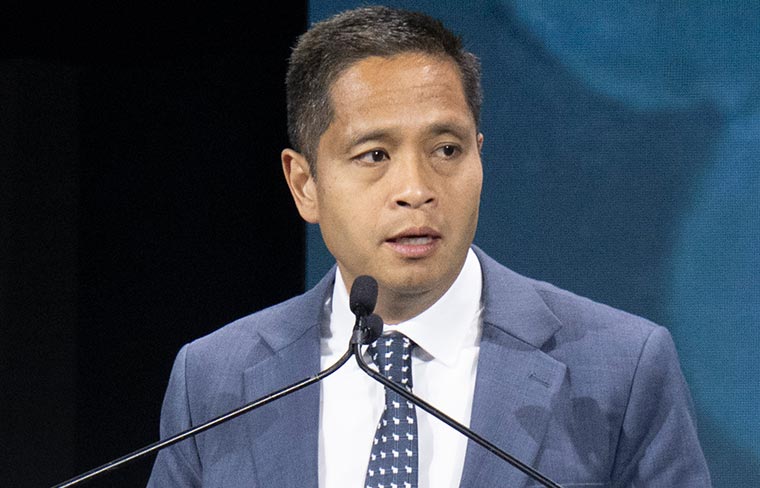
“Survivorship research has become an increasingly important topic. We now have more effective cancer therapies and, as a result, more cancer survivors,” said David B. Solit, MD, of Memorial Sloan Kettering Cancer Center. “But when you have more effective therapies and more survivors, there needs to be greater focus on how the long-term side effects of treatment impact our patients. More specifically, we need to formulate strategies to reduce long-term adverse treatment effects without compromising the likelihood of cure.”
Solit is the chair of the Advances in Survivorship Research Session, “Early-Onset Cancers: Interventions, Survivorship, and Novel Treatment Approaches,” which he says is especially important in light of the ongoing increase of early-onset cancers.
“We’ve known about many of the long-term adverse effects of surgery, radiation therapy, and chemotherapy, in large part from studies of patients with pediatric cancers. But with more early-onset cancers in a patient population that’s neither pediatric nor elderly, the issues aren’t necessarily the same,” Solit said, pointing to fertility concerns as one such issue of particular concern to the young-adult cancer population. “We also have less long-term follow-up for newer classes of therapy, such as immunotherapy,” he added.
The second Advances in Survivorship Research Session, “Cancer Cachexia: Tumor Signals, Systemic Impact, and Translational Opportunities,” will integrate mechanistic insights with clinical data as presenters examine drivers of cachexia and potential therapeutic opportunities.
“The Advances in Survivorship Research Sessions provide a great opportunity to consider how we can expand our work beyond curative treatment,” said Solit. “My hope is that attendees will leave the sessions thinking about how they can treat patients with fewer long-term side effects.”
The survivorship track will also include two Educational Sessions on cachexia: “Biology, Mechanisms, and Models of Cachexia” and “Clinical and Molecular Phenotyping of Cancer Cachexia.” These sessions will examine how researchers are working to understand and treat cachexia through the use of preclinical models and large-scale clinical datasets.
Additional sessions in the track will cover a broad swath of topics on the science of survivorship, with Major Symposia set to expand upon issues like long-term health effects from treatment in pediatric cancer patients (“Therapy-Induced Mutagenesis in Normal Tissues of Children: A Link to Late Effects?”); strategies to improve treatment adherence (“Does Adherence to Oral Cancer Therapy Matter?”); and the macro- and microscopic impacts of stress on cancer patients (“Stress Across Scales in Cancer: From Societal Burden to Microenvironmental and Cellular Mechanisms”); among others.
Patient advocacy at the Annual Meeting
The pursuit of progress against cancer goes hand in hand with patient advocacy.
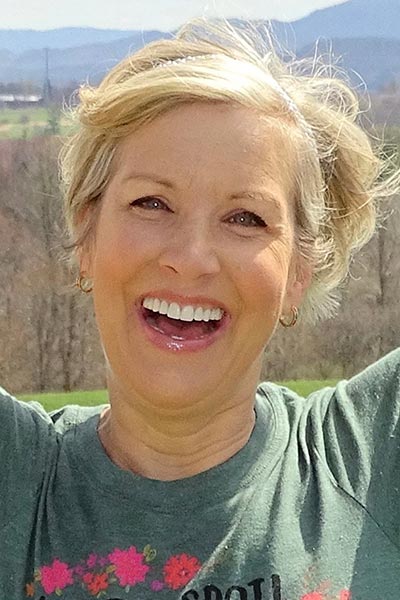
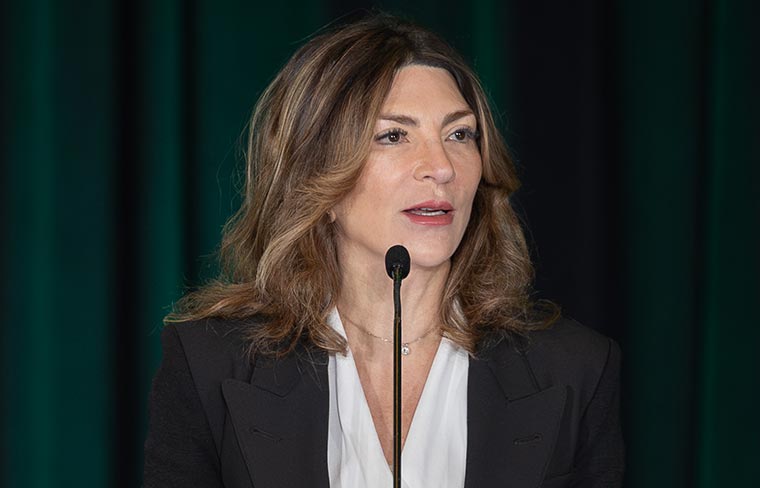
“What is one thing cancer researchers can’t do their work without? PATIENTS. Patients are the reason for research,” said Kristen Dahlgren, a patient advocate, former journalist, and the chief executive officer and founder of the Cancer Vaccine Coalition.
As part of an enduring commitment to the indispensable importance of the patient voice, the AACR Scientist↔Survivor Program® (SSP) will once again be held in conjunction with the AACR Annual Meeting. This unique international educational program, now in its 28th year, provides cancer survivors, patient advocates, and scientists with an opportunity to share perspectives and discuss opportunities in cancer research, regulatory science, and health policy. Forty-eight patient advocates were accepted into this year’s SSP cohort.
SSP patient advocates will participate in several meeting sessions, providing their unique perspectives on a range of topics.
Among these are two poster sessions featuring presentations from SSP patient advocates as well as the “Patient Advocate Poster Symposium: Advancing Cancer Research Through Patient and Community Partnerships.”
In addition, SSP patient advocates will present during the Educational Session “From Bench to Buzz: Making Your Research Resonate for More Funding and Attention,” which will focus on strategies for researchers looking to communicate and publicize their work more effectively, and the Forum “Reducing Research Friction: How Scientists and Survivors Can Accelerate Progress,” which will cover proven strategies for effective patient-scientist collaboration in research.
Both these sessions will be chaired by Dahlgren, who emphasized the importance of patient-scientist communication that the sessions are designed to facilitate.
“The future of cancer research will not be defined solely by breakthroughs in the lab. It will be defined by what we do with them,” she said. “That starts by communicating clearly, building trust, integrating patients to ease friction, and aligning incentives around measurable progress.”
The AACR Annual Meeting will also feature events specifically for patient advocates, including the “Special Patient Advocate Session With NCI,” which is open to all patient advocates.
As in prior years, AACR will offer discounted meeting registration to patient advocates in recognition of the essential perspectives they bring to scientific discussions and the invaluable role they play in advancing cancer research.
Patients’ connection to cancer research expands beyond the level of advocacy. The experience within the clinic is central to the patient perspective, and that experience is informed by the health care workers who put cancer research findings into action. AACR deeply values the integral role that oncology nurses play in clinical research and cancer care and is committed to recognizing, supporting, and elevating their contributions. To that end, the inaugural AACR-ONF Oncology Nurse Scholars Program will support the attendance of several oncology nurses at the AACR Annual Meeting.
For the most up-to-date information on session dates, times, and locations, check the Annual Meeting App and Online Itinerary Planner.
Survivorship Sessions
ED14: Biology, Mechanisms, and Models of Cachexia
Saturday, April 18, 10-11:30 a.m. PT
Room 31 – Upper Level – Convention Center
Session Chair: Teresa A. Zimmers, PhD, Oregon Health and Science University Knight Cancer Institute
Beyond cell-intrinsic changes, cancer unfolds as a systemic disease driven by an intricate dialogue between malignant cells and the host’s local milieu and distant organs and tissues. This is at a dramatic display in cancer cachexia, characterized by chronic systemic inflammation, metabolic catabolic switching, and wasting of adipose and muscle tissue. This session focuses on mechanistic dissection of cachexia using preclinical fruit fly and mouse animal models as well as mouse and human in vitro cell culture models aligned with patient phenotypes and clinical trial responses. The three presentations focus on how tumors reprogram host physiology and cell state through secreted factors and how peripheral catabolic responses, in turn, support tumor growth through nutrients and specific, targetable biological mechanisms.
ED15: Clinical and Molecular Phenotyping of Cancer Cachexia
Saturday, April 18, 12:30-2 p.m. PT
Room 15 – Mezzanine Level – Convention Center
Session Chair: Marcus DaSilva Goncalves, MD, PhD, New York University Langone Health
Cancer cachexia is a complex systemic syndrome characterized by involuntary weight loss, skeletal muscle wasting, metabolic dysfunction, and poor tolerance to anticancer therapy, yet its clinical and biological heterogeneity remains poorly defined. This AACR Education Session will highlight how large-scale clinical data integrated with molecular and systems level approaches are redefining cachexia as a biologically tractable disease. Together, these talks emphasize how integrating retrospective and prospective human datasets with mechanistic biology can reveal drivers of cachexia heterogeneity, enable patient stratification, and inform precision approaches to prevent and treat cancer cachexia.
AS01: Early-Onset Cancers: Interventions, Survivorship, and Novel Treatment Approaches
Sunday, April 19, 1-2:30 p.m. PT
Ballroom 6 DE – Upper Level – Convention Center
Session Chair: David B. Solit, MD, Memorial Sloan Kettering Cancer Center
Survivors of early-onset cancer are at risk of infertility, endocrine disorders, secondary cancers, and additional long-term adverse effects of treatment. In this session, early-onset colorectal cancer will be one of several early-onset cancers discussed in which novel precision oncology approaches are being employed to reduce the long-term adverse effects of surgery, radiation, and chemotherapy on fertility and quality of life. This session will also outline advances in our understanding of the molecular pathogenesis of early-onset cancers, present a framework for studying survivorship across the disease continuum, and discuss novel approaches to identifying and reducing long-term toxicities of curative-intent cancer care.
SY31: Therapy-Induced Mutagenesis in Normal Tissues of Children: A Link to Late Effects?
Sunday, April 19, 1-2:30 p.m. PT
Room 16 – Mezzanine Level – Convention Center
Session Chair: Ruben van Boxtel, PhD, Utrecht University
Survival rates for childhood cancer have increased dramatically over the past decades and now exceed 80%. A downside of this success is the rapidly growing population of long-term survivors who frequently experience chronic health problems later in life, including secondary malignancies, organ dysfunction, and premature aging. This session will highlight recent advances in quantifying and characterizing chemotherapy-associated mutagenesis in normal tissues of children and long-term survivors. The talks will cover therapy-related mutation patterns in long-term survivors of childhood cancer; platinum-induced mutagenesis in pediatric liver tissue; and single-cell genome–transcriptome analyses to directly study molecular phenotypic causes and consequences of treatment-induced mutations.
AS02: Cancer Cachexia: Tumor Signals, Systemic Impact, and Translational Opportunities
Monday, April 20, 10:15-11:45 a.m. PT
Room 17 – Mezzanine Level – Convention Center
Session Chair: Tobias Janowitz, MD, PhD, Cold Spring Harbor Laboratory
This session brings together emerging concepts, molecular drivers, and patient-defined phenotypes of cancer cachexia, with a focus on inter-organ connectivity and the brain as underappreciated determinants of systemic decline. Cachexia is framed as a systemic manifestation of cancer progression, marked by collapse of whole-body physiology rather than isolated loss of a single tissue. Collectively, the talks integrate new mechanistic insight with new clinical data to enable improved patient stratification and accelerate development of therapeutic strategies. The session will be relevant to cachexia experts and cancer biologists interested in the whole-body response to cancer and will also provide an accessible entry point for investigators new to cancer as a systemic disease.
SY08: Does Adherence to Oral Cancer Therapy Matter?
Monday, April 20, 12:30-2 p.m. PT
Room 11 – Upper Level – Convention Center
Session Chair: Smita Bhatia, MD, MPH, University of Alabama at Birmingham
As the portfolio of self-administered cancer treatments grows, investment in adherence research is likely to pay large dividends. Understanding the prevalence, pattern, and predictors of poor adherence and developing effective, scalable, and disseminable adherence-enhancing interventions will have far-reaching effects on improvement in relapse-free survival for a variety of cancers. This session will focus on adherence to oral therapy in childhood acute lymphoblastic leukemia, breast cancer, and colorectal cancer. We will discuss the patient and oncologist perspective in reshaping accepted dosing and practice patterns, with the goal of prioritizing minimization of adverse events and maximization of adherence to oral therapy.
SY40: Stress Across Scales in Cancer: From Societal Burden to Microenvironmental and Cellular Mechanisms
Monday, April 20, 12:30-2 p.m. PT
Room 16 – Mezzanine Level – Convention Center
Session Chair: Mikala Egeblad, PhD, Johns Hopkins University School of Medicine
Stress shapes cancer across biological and societal scales, from cellular programs and the tumor microenvironment to organismal physiology and population-level context. This symposium will explore how stress influences cancer progression and outcomes by integrating perspectives from cancer biology, microenvironmental research, and population science. Discussions will examine how cellular and microenvironmental stress responses—including metabolic adaptation, senescence, and stress-induced remodeling of the tumor microenvironment—contribute to tumor plasticity and cancer progression.
For a complete list of sessions in the survivorship track, click here.
Events and Sessions Featuring Patient Advocates
AACR Advocacy Partners Pavilion
Sunday, April 19, 12 p.m., through Wednesday, April 22, 12 p.m. PT
Exhibit Hall – San Diego Convention Center
The Patient Advocate Pavilion provides complimentary exhibitor space for patient advocacy organizations and offers a unique networking hub for advocates and attendees to connect. At the Pavilion, attendees can engage with inspiring patient advocate organizations who are at the forefront of the fight against cancer and explore the stories, resources, and initiatives that these advocates bring to our community.
ED58: From Bench to Buzz: Making Your Research Resonate for More Funding and Attention
Saturday, April 18, 8-9:30 a.m. PT
Room 5 – Upper Level – Convention Center
Session Chair: Kristen Dahlgren, Cancer Vaccine Coalition
This highly interactive session brings together a network-journalist-turned-advocate, a patient leader with a penchant for laughs, and a scientist/communications strategist to share practical tools. Speakers and the audience will explore ways to make science understandable and unforgettable by laying out real-world impact and crafting narratives that attract funding and engage patients and the public. Through real examples, candid discussion, and audience participation, attendees will leave with concrete strategies to leverage tools like AI and turn “Say what?” into “WOW!” Because great science deserves to be heard—and understood.
DC14: Patient Advocate Poster Symposium: Advancing Cancer Research Through Patient and Community Partnerships
Sunday, April 19, 3-4:30 p.m. PT
Room 1 – Upper Level – Convention Center
Session Chair: Patricia Spears, University of North Carolina at Chapel Hill
Addressing the complexities of cancer care requires a team approach involving patient advocates, community members, researchers, and medical staff. Patient and community partnerships can improve the acceptance, understanding, and ability of the public to work with cancer researchers to ensure research meets the unique needs of patients with cancer and is done with a sense of urgency. This session highlights the powerful intersection of patient and community partnerships in cancer research to improve the lives for all patients.
FO08: Reducing Research Friction: How Scientists and Survivors Can Accelerate Progress
Tuesday, April 21, 5-6:30 p.m. PT
Room 33 – Upper Level – Convention Center
Session Chairs: Kristen Dahlgren, Cancer Vaccine Coalition, and Anjee Davis, Fight Colorectal Cancer
For patients facing cancer diagnoses, time is at a premium, but inefficiencies within the cancer research and treatment landscape can introduce delays that make suboptimal use of that precious time. Speakers will present a discussion of how institutional and bureaucratic inertia can slow the translation of cancer research from discovery to patient delivery. This session brings scientists and survivors into the same conversation to identify where progress gets stuck—and how to redesign research culture, funding structures, and trial design so science moves at the speed patients need.
Scientist↔Survivor Program® Poster Sessions
Advocates Poster Session 1
Monday, April 20, 2-5 p.m. PT
Exhibit Floor – Section 5 – Convention Center
Advocates Poster Session 2
Monday, April 20, 2-5 p.m. PT
Exhibit Floor – Section 6 – Convention Center
The AACR Scientist↔Survivor Program® Poster Sessions will feature original work from cancer survivors who will showcase their perspectives and findings from experience in patient advocacy. These poster sessions aim to strengthen the connection between the patient advocate landscape and the research community while providing updates and proposals for future initiatives drawn from advocates’ experience.
More from the AACR Annual Meeting 2026 »
View a photo gallery of scenes from San Diego, join the conversation on social media using the hashtag #AACR26, and read more coverage in AACR Annual Meeting News and on Cancer Research Catalyst, the official blog of the AACR.