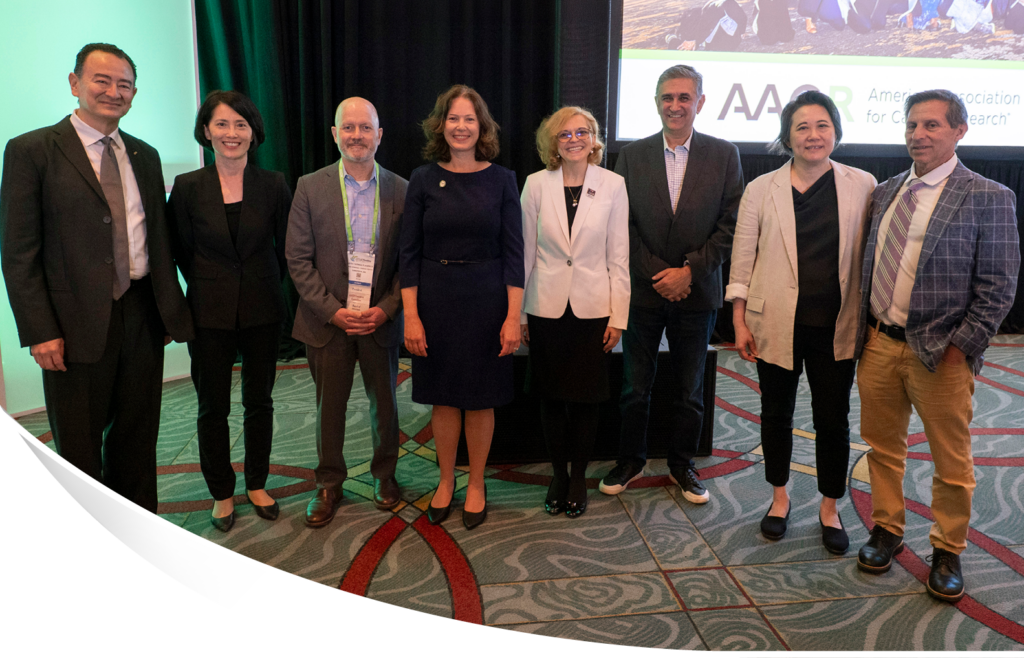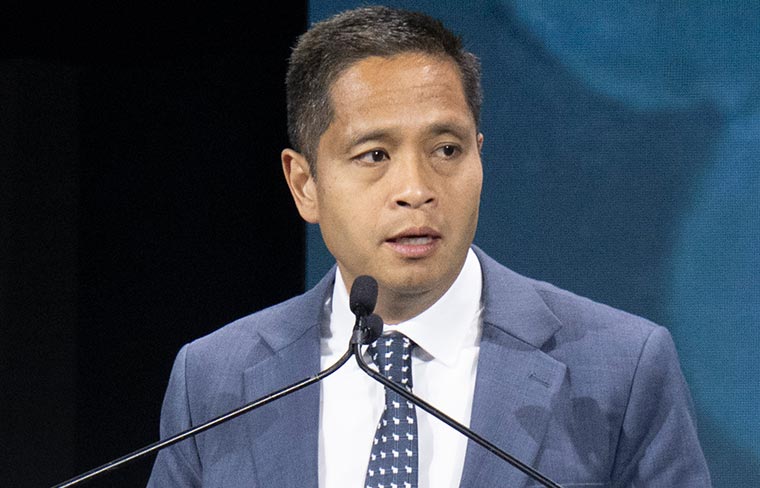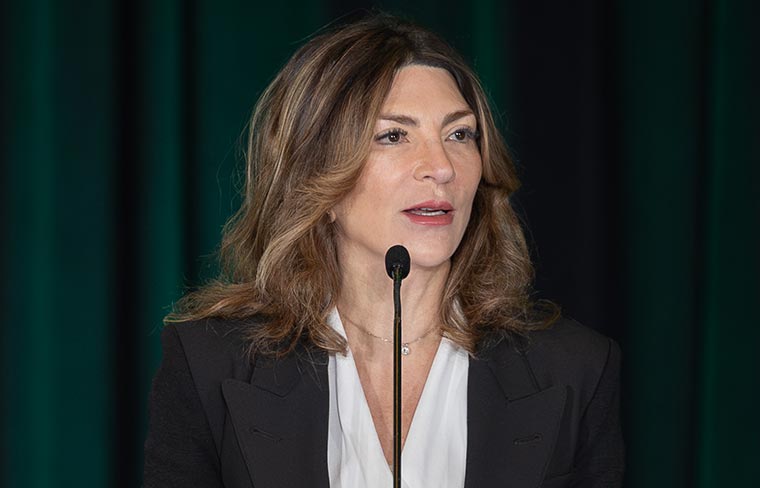
To help further the professional advancement of early-career researchers, the American Association for Cancer Research (AACR) launched the NextGen Stars Program in 2014. Each year, graduate students, postdocs, and assistant professors are selected to present their work during highly visible sessions at the AACR Annual Meeting.
This year’s class of NextGen Stars includes 11 individuals spanning different areas of cancer research. Learn more about the work of Daniel Zabransky, MD, PhD, below, and check out Q&As with the other NextGen Stars to discover their research focus.
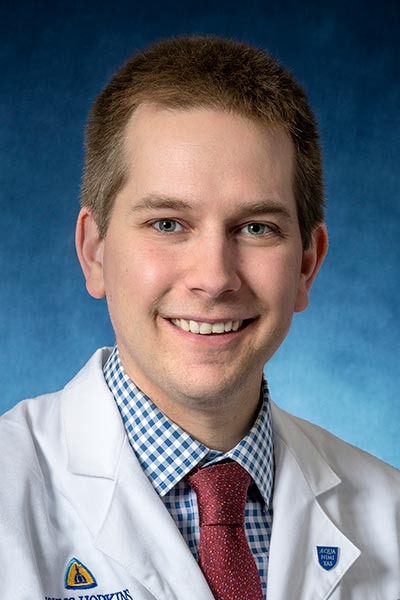
Daniel Zabransky, MD, PhD
AACR NextGen Stars Class of 2026
Assistant Professor
Johns Hopkins University, Baltimore, Maryland
Abstract Presentation:
Overcoming aging-driven barriers to effective immunotherapy in pancreatic cancer
Session Details:
SY02: Inflammaging and Cancer: Mechanistic Insights and Therapeutic Opportunities
Tuesday, April 21, 12:30-2 p.m. PT
Room 14 – Mezzanine Level – Convention Center
What is the subject of your research?
My research focuses on how aging shapes the immune environment of pancreatic cancer and limits the effectiveness of immunotherapy. Pancreatic cancer predominantly affects older adults, yet most experimental models overlook aging altogether. I study how age-related changes in immune and stromal cells create barriers to antitumor immunity, and how understanding these changes can lead to more effective, personalized treatment strategies.
What sparked your interest in this area of research, and why is it important?
This work grew out of both clinical experience and a simple but striking observation: Pancreatic cancer is largely a disease of aging, yet we often study it without considering the biological effects of aging. Understanding how aging alters the tumor microenvironment and immune function is essential if we want treatments that work for the patients most affected by this disease.
Where would you like to see your area of research be in five years?
In five years, I hope aging is no longer treated as a background variable but as a core biological factor in cancer research and therapy design. Ideally, insights into age-associated immune dysfunction will inform clinical trial design, guide treatment selection, and enable new therapeutic combinations that restore effective immune responses in older patients with pancreatic cancer.
What (or who) inspired you to apply for the NextGen Stars program?
I was inspired to apply by my mentors, Elizabeth Jaffee, MD, FAACR, and Ashani Weeraratna, PhD, both of whom are strong advocates for AACR and exemplify its mission of rigorous, collaborative, and translational cancer research. Their mentorship has emphasized the importance of asking clinically meaningful questions, communicating science broadly, and engaging with the cancer research community. These values align closely with the goals of the NextGen Stars program, and I am honored to participate in it.
What do you hope to take away from your experience as a NextGen Star and your time at the AACR Annual Meeting?
I hope to gain new perspectives into cancer biology and find opportunities to more fully integrate aging-informed research into the study of cancer and clinical practice. The AACR Annual Meeting brings together diverse disciplines, and I’m excited to exchange ideas, build collaborations, and learn from others tackling complex problems at the interface of aging, immunity, and cancer. Ultimately, I hope this experience strengthens my ability to translate fundamental insights into advances that benefit patients.