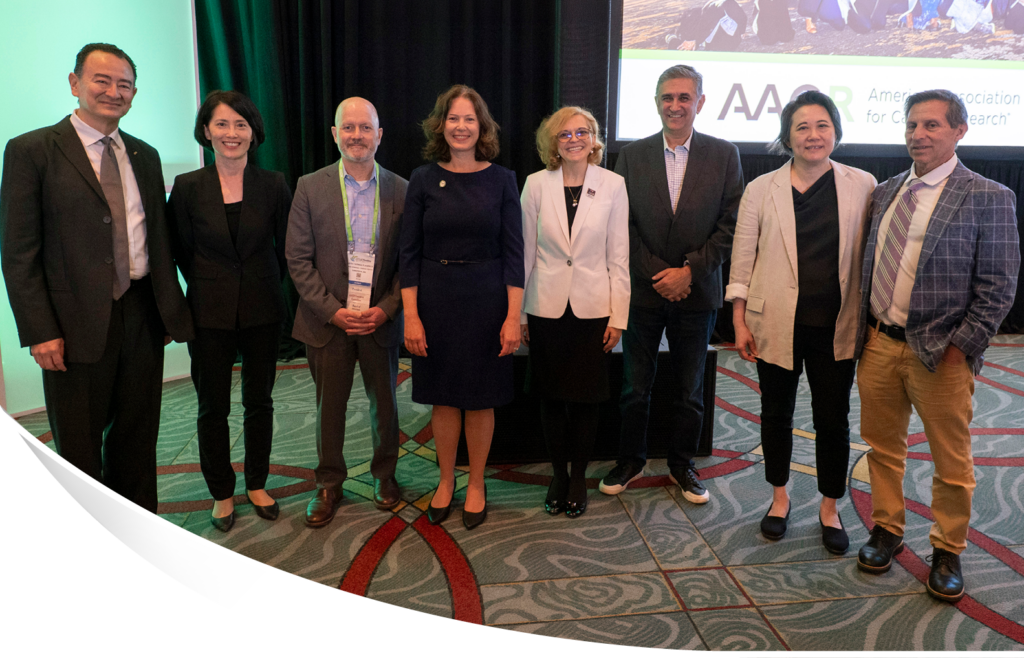
To help further the professional advancement of early-career researchers, the American Association for Cancer Research (AACR) launched the NextGen Stars Program in 2014. Each year, graduate students, postdocs, and assistant professors are selected to present their work during highly visible sessions at the AACR Annual Meeting.
This year’s class of NextGen Stars includes 11 individuals spanning different areas of cancer research. Learn more about the work of William Freed-Pastor, MD, PhD, below, and check out Q&As with the other NextGen Stars to discover their research focus.
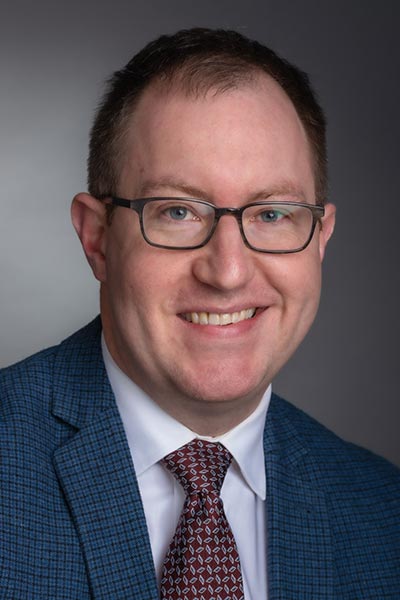
William Freed-Pastor, MD, PhD
AACR NextGen Stars Class of 2026
Assistant Professor
Dana-Farber Cancer Institute, Boston, Massachusetts
Abstract Presentation:
Cancer-restricted cryptic antigens: Novel targets for next-generation T cell-based therapies
Session Details:
AOS10: Turning the Tide in the Fight Against Pancreatic Cancer
Tuesday, April 21, 12:30-2 p.m. PT
Ballroom 6 A – Upper Level – Convention Center
What is the subject of your research?
The Freed-Pastor laboratory studies tumor immunology with a focus on pancreatic cancer. Recent efforts in the laboratory have focused on empirical antigen discovery using high-resolution immunopeptidomics, which uncovered aberrant translation of the dark proteome as a novel source for shared cancer-restricted HLA-I bound peptides in pancreatic cancer capable of recognition by cytotoxic T lymphocytes. In addition, we leverage a range of sophisticated preclinical models, CRISPR-based in vivo genetic engineering, patient-derived organoids, and high-throughput TCR discovery to dissect the mechanisms of immune escape and tumor-immune crosstalk in pancreatic cancer—with the overarching goal to use these insights to guide therapeutic advances for pancreatic cancer patients.
What sparked your interest in this area of research, and why is it important?
I went into both oncology and pancreatic cancer research for a very personal reason. I lost my mom to this disease when I was very young. We have made significant strides over the past 30 years in medicine and oncology, but not enough has changed. Pancreatic cancer still remains an absolutely devastating disease and improved therapies are urgently needed. As a physician-scientist, I hope to play one small part in turning the tide against this disease.
Where would you like to see your area of research be in five years?
We are just beginning to scratch the surface of our understanding of the cancer dark proteome. In five years, I anticipate that we will have a much deeper understanding of the mechanistic underpinnings of (dys)regulated translation of the cancer dark proteome and the potential functional importance of various dark proteome constituents. I also anticipate that during this time, we will see the first wave of cryptic antigen-directed therapies entering clinical investigation for pancreatic cancer patients.
What (or who) inspired you to apply for the NextGen Stars program?
I’ve been an active member of AACR for many years now and have greatly benefited from this phenomenal scientific community. The AACR NextGen Stars program is a great opportunity to deepen these ties.
What do you hope to take away from your experience as a NextGen Star and your time at the AACR Annual Meeting?
I am truly honored by this award and very excited to connect with many colleagues at the 2026 AACR Annual Meeting.