The Wednesday morning Plenary Session “Innovative Treatment Modalities: Shaping the Future of Oncology” will highlight several current and emerging treatment modalities reshaping oncology care. The session will convene leading experts who are advancing radioligand therapy, antibody-drug conjugates (ADCs), T‑cell engagers, and tumor‑infiltrating lymphocyte (TIL) therapy.
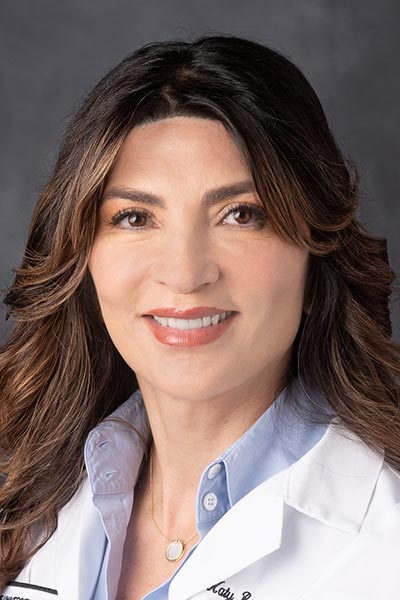
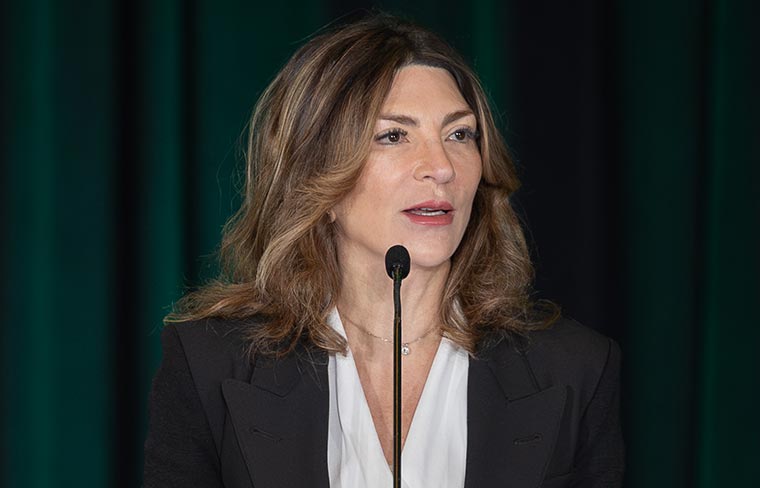
“By bringing together leaders working on these platforms, the session aims to provide a clear view of how advances in targeting, engineering, and clinical translation are expanding therapeutic options for multiple cancers,” said session chair Katayoun (Katy) Rezvani, MD, PhD, of The University of Texas MD Anderson Cancer Center.
The Plenary Session will take place in Ballroom 20, on the upper level of the convention center, from 8 to 10 a.m. PT. It is the first of two Plenary Sessions to be held on Wednesday.
Cancer treatment advances are increasingly driven by innovative therapeutic platforms rather than the development of single drugs, explained Rezvani. Radioligand therapies, ADCs, T-cell engagers, and cell-based therapies are all advancing rapidly, and understanding how these modalities work, where they are most effective, and how they may be combined with one another is becoming central to the development of next-generation cancer treatments, she noted.
The session will open with molecular radiotherapeutics, a modality that couples precision imaging with targeted radiation delivery. Martin G. Pomper, MD, PhD, of University of Texas Southwestern Medical Center, will set the stage with a concise history of the field and an analysis of how radioligand therapies have accelerated in the past few years. Pomper plans to discuss how theranostic approaches to image and therapeutically target prostate‑specific membrane antigen (PSMA) have catalyzed clinical momentum, and what it will take to move this therapeutic modality beyond prostate and neuroendocrine cancers into a broader oncology footprint.
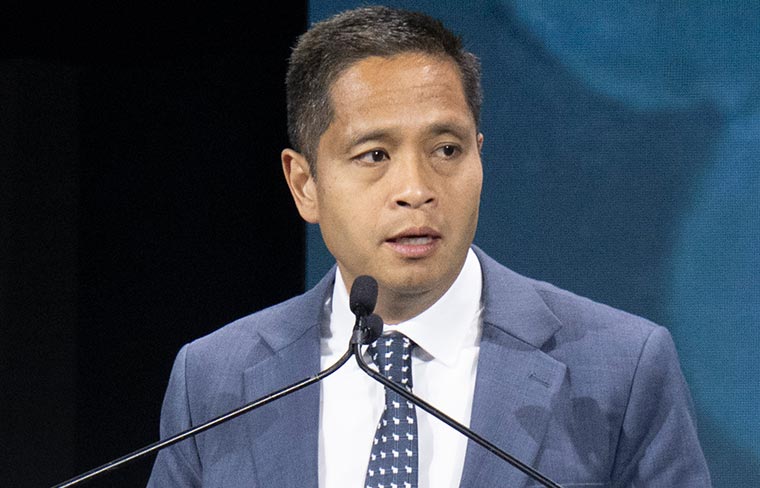
Raffaele Colombo, PhD, from Zymeworks, Inc., will speak about ADCs. Colombo’s talk will look ahead to emerging ADC designs, highlighting strategies to diversify payloads, linkers, and targets, as well as approaches to outmaneuver resistance and antigen heterogeneity. His talk will also preview ADCs that are entering the clinic and those emerging preclinically.
Angela Coxon, PhD, from Amgen, will chart the evolution of T-cell engagers, a class of immunotherapy that has matured beyond treating hematologic malignancies and has entered the solid tumor therapeutic space. Her talk will outline what has been learned about T-cell engagers over the past decade and what strategies are being explored to improve their safety, durability, and scalability.
John B.A.G Haanen, MD, PhD, of the Netherlands Cancer Institute, will bring insights on TIL therapy. Haanen plans to share data from functional screens dissecting what the composition of TIL infusions is; how T-cell states at harvest correlate with clinical outcomes; and how gene editing may optimize persistence, trafficking, and tumor reactivity. He will also report data on the use of TIL therapy for endometrial and penile cancers as the field works to broaden indications of this treatment modality beyond melanoma.
“One of the strengths of this session is that it brings together several distinct but rapidly evolving modalities in a single discussion, and seeing them side-by-side helps highlight how different platforms can address complementary challenges in cancer therapy and how they may ultimately work together to improve outcomes for patients,” said Rezvani.
This session has broad appeal to anyone interested in learning about the future of cancer treatment and will be particularly valuable for clinicians, translational researchers, and drug developers interested in emerging therapeutic platforms, she added.
For the most up-to-date information on session dates, times, and locations, check the Annual Meeting App and Online Itinerary Planner.
More from the AACR Annual Meeting 2026 »
View a photo gallery of scenes from San Diego, join the conversation on social media using the hashtag #AACR26, and read more coverage in AACR Annual Meeting News and on Cancer Research Catalyst, the official blog of the AACR.