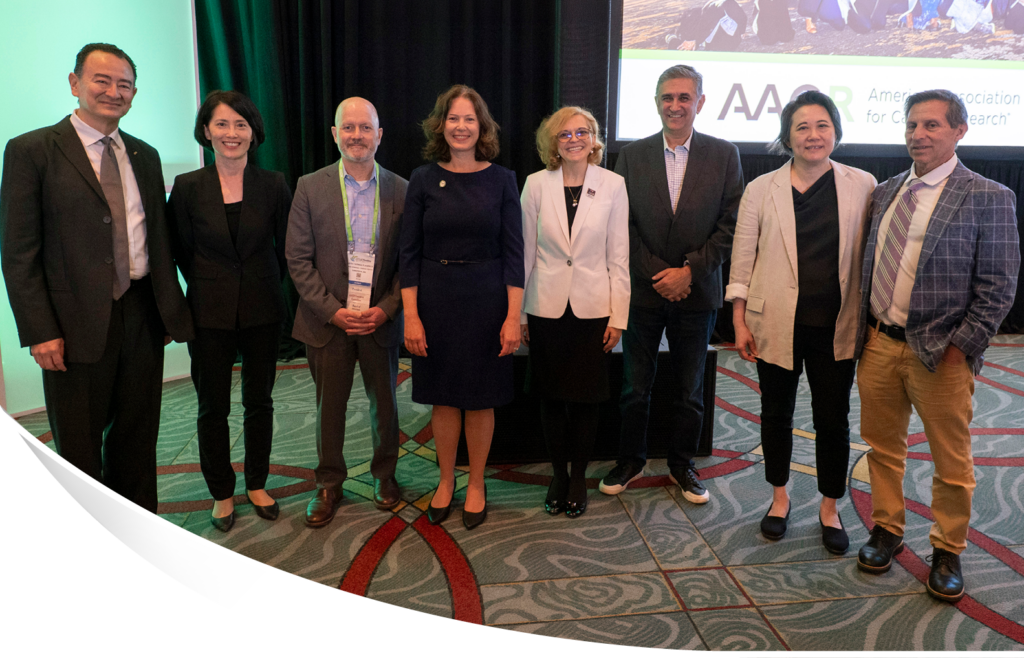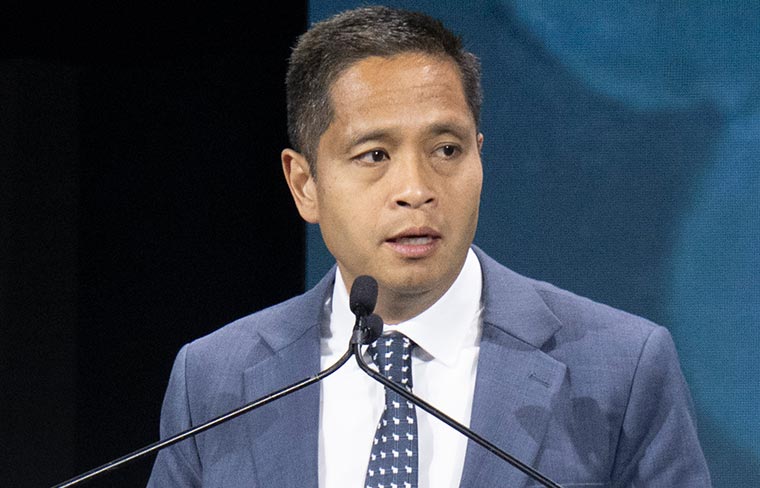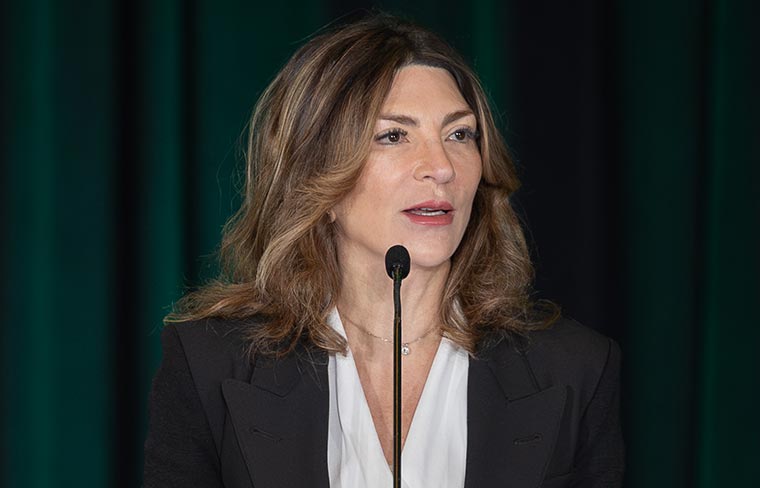
Saturday’s Discovery Science Plenary will kick off the plenary program of the AACR Annual Meeting 2026. This year’s first Plenary Session, titled “The Next Frontier in Minimal Residual Disease: Solid Tumors,” will focus on the latest research on the evolution of drug resistance, the role of cancer cell heterogeneity and plasticity, and novel strategies to detect and target residual disease.
The plenary program continues tomorrow with the Opening Plenary and through Wednesday, when it will close with a recap of the meeting’s highlights.
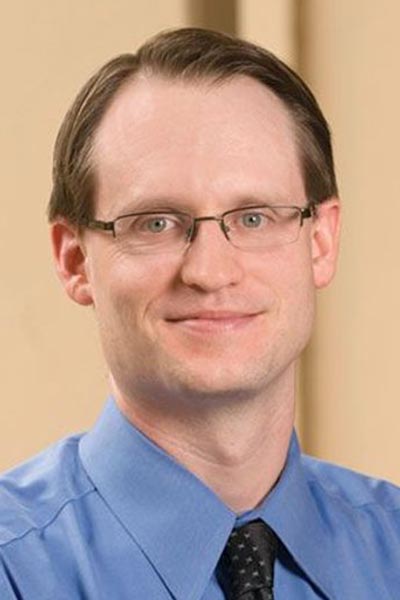
The session, chaired by Maximilian Diehn, MD, PhD, of Stanford University, will take place Saturday, April 18 from 4:15 to 6:15 p.m. PT in Hall H on the ground level of the San Diego Convention Center.
Minimal residual disease (MRD) refers to microscopic amounts of cancer cells that are left behind after treatment, are hard to detect, and can drive recurrence. “Until recently, personalization of treatment based on MRD was largely limited to hematologic malignancies,” said Diehn. “However, recent advances in MRD detection technologies, particularly circulating tumor DNA (ctDNA)-based assays, have made it possible to detect MRD across many solid tumor types.”
Over the past few years, MRD testing has become clinically available for common cancers such as those arising in the colon, breast, and lung, and a growing number of patients are receiving these tests as part of surveillance monitoring. However, the optimal ways to use these tests to maximize clinical benefit remain unclear, Diehn emphasized. “Therefore, a deeper understanding of MRD biology, how it can inform treatment strategies, and the clinical studies needed to demonstrate utility is especially timely,” he added.
Diehn explained that this session will span topics from basic biology, including why some cancer cells survive therapy and the vulnerabilities of these cells, to clinical applications, such as emerging trial results and strategies for using MRD to guide patient care. “Together, these discussions will highlight both the scientific foundations and the translational potential of MRD in oncology.”
The first presenter, Aaron N. Hata, MD, PhD, of Massachusetts General Hospital, will review mechanisms driving sensitivity and resistance to targeted therapies in lung cancer, including the induction of mutator enzymes, which introduce new mutations and contribute to genome instability, and the role of drug-tolerant persisters, slow-cycling cells that remain viable during therapy in a dormant state.
Jean-Christophe Marine, PhD, of the VIB-KU Leuven Center for Cancer Biology in Belgium, will focus on therapeutic strategies to address cancer cell heterogeneity and plasticity.
Presenter Dan A. Landau, MD, PhD, of Weill Cornell Medical College and the New York Genome Center, will tackle tumor evolution and cellular plasticity and will review the applications of liquid biopsies, advanced genomics, and ultrasensitive methods for detection and monitoring of residual disease in solid tumors.
Jeanne Tie, MD, of Peter MacCallum Cancer Centre and the Walter and Eliza Hall Institute in Australia, will review clinical trials of novel therapeutics for colorectal cancer, focusing on personalized treatment strategies and the use of ctDNA for monitoring MRD and guiding therapy decisions.
“Because this session spans topics from basic biology to clinical application, it will be valuable for a broad audience, including basic scientists, clinical researchers, and practicing oncologists interested in gaining a deeper understanding of this field,” noted Diehn.
For the most up-to-date information on session dates, times, and locations, check the AACR Annual Meeting App and Online Itinerary Planner.
More from the AACR Annual Meeting 2026 »
View a photo gallery of scenes from San Diego, join the conversation on social media using the hashtag #AACR26, and read more coverage in AACR Annual Meeting News and on Cancer Research Catalyst, the official blog of the AACR.