Today is the second day of Meet-the-Expert Sessions at the AACR Annual Meeting 2026. These sessions—which provide attendees a rare opportunity for direct engagement with field-defining researchers—will cover multiomics approaches to cancer classification, tumor and immune-cell dynamics, strategies for overcoming drug resistance in clinical trials, and telomere targeting.
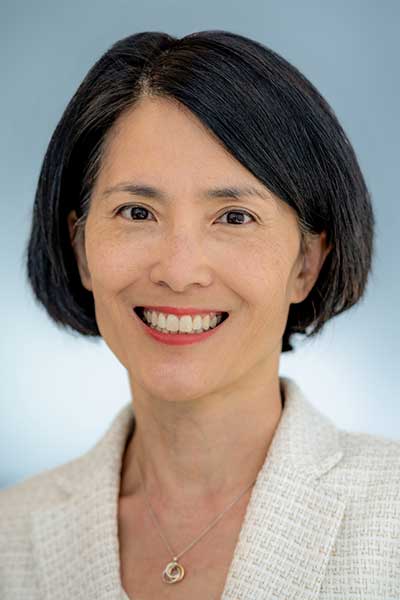
“The Meet-the-Expert Sessions feature speakers who have already made lasting impacts on their respective areas as senior, internationally recognized scientists,” said Alice T. Shaw, MD, PhD, FAACR, of Dana-Farber Cancer Institute, who served as AACR Annual Meeting 2026 Program Committee chair alongside Paul S. Mischel, MD, FAACR.
“One aspect that I particularly appreciate is how up-close and personal these sessions are—they are much more interactive and informal,” Shaw added. “It’s a unique chance for those going to the sessions, especially junior investigators, to hear from experts not just about their work but also about how they charted their careers to where they are now.”
Four Meet-the-Expert Sessions are scheduled for this evening from 5 to 5:45 p.m. PT.
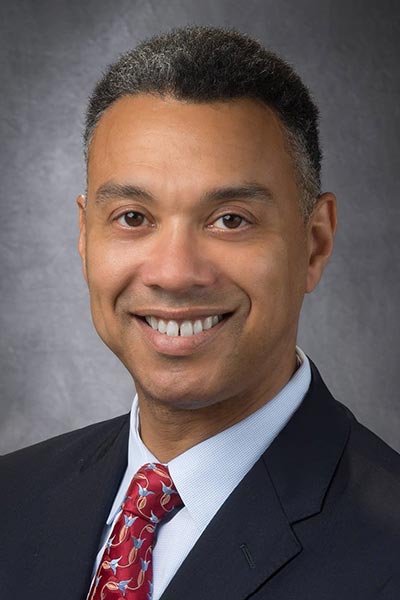
ME01: Christopher R. Flowers, MD, MS
Applying Molecular Classifications to Therapy and Trials in Large B-Cell Lymphoma
Room 5 – Upper Level – Convention Center
Christopher R. Flowers, MD, MS, of The University of Texas MD Anderson Cancer Center, will cover the multidimensional approaches that aid in determining the cells of origin and other characteristics of interest for large B-cell lymphoma, which can provide clinicians with highly precise treatment strategies.
“Christopher Flowers is an outstanding physician-scientist who has led key clinical trials in lymphoma,” said Shaw. “He is uniquely positioned to discuss both clinical trials of novel agents as well as racial and socioeconomic disparities in lymphoma outcomes. Reducing disparities while improving outcomes is an incredibly important area of research.”
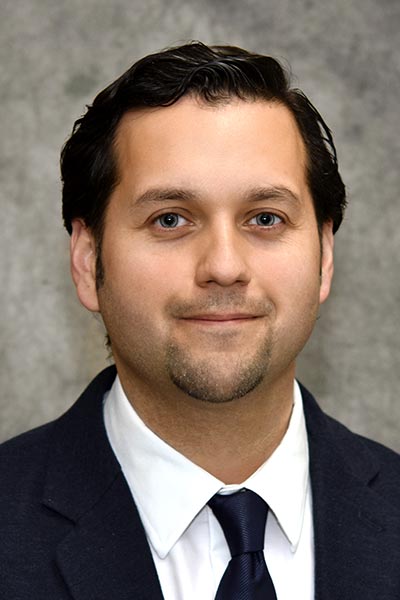
ME03: Kurt Schalper, MD, PhD
Correcting Altered Tumor-Immune Cell Interactions for Anti-Cancer Treatment
Ballroom 6 B – Upper Level – Convention Center
Kurt Schalper, MD, PhD, of Yale School of Medicine, will explore the variety of methods that researchers are using to prevent T cells from abetting in tumoral adaptive immune evasion.
“Kurt has led groundbreaking work on biomarkers of response and resistance to immunotherapy in lung cancer,” said Shaw. “He is a world expert in developing molecular and spatial biomarkers to elucidate novel immune targets and pathways. For anyone interested in immunotherapy, this is a must-see.”
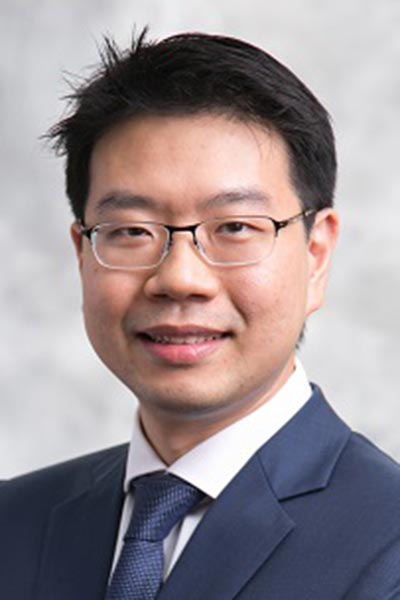
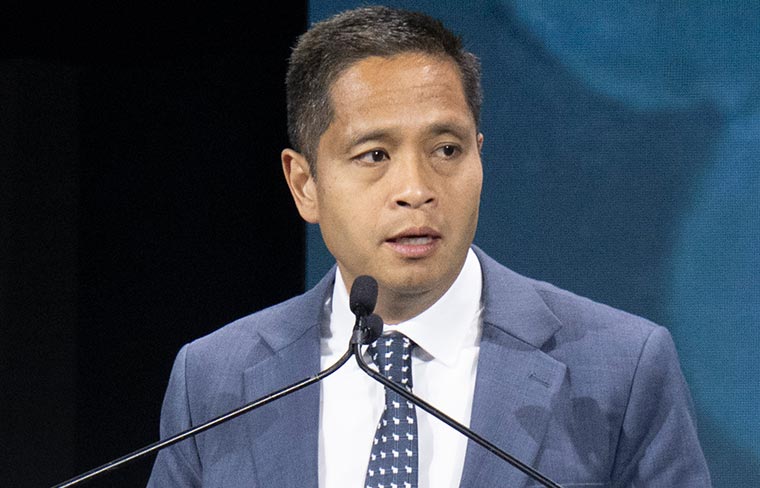
ME04: Daniel S.W. Tan, PhD
Leveraging Novel Technologies to Delineate Therapeutic Resistance in Contemporary Clinical Trials
Room 31 – Upper Level – Convention Center
Daniel S.W. Tan, PhD, of the National Cancer Centre Singapore, will use lung cancer as an example of how multiomic profiling, pharmacodynamic assays, and surrogate endpoints can be combined to improve clinical trials’ responsiveness to understanding drug resistance.
“Daniel is a preeminent thoracic oncologist and translational researcher who has not only led key clinical trials but has expertly integrated genomics, biomarkers, and early drug development,” said Shaw. “His work has helped uncover mechanisms of response and resistance to targeted therapies and immunotherapies in lung cancer. In addition, he has played an important role in building one of Asia’s largest phase I programs and refining precision oncology approaches in Asian populations.”
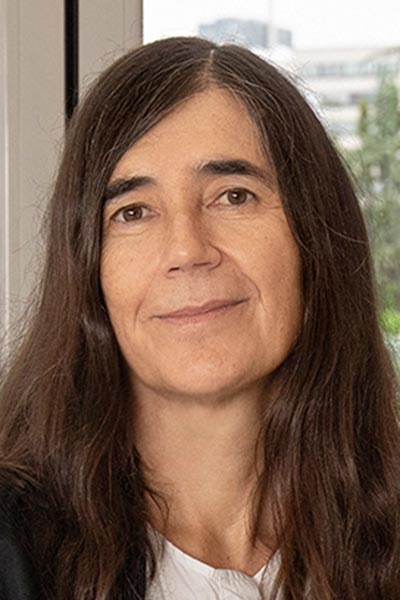
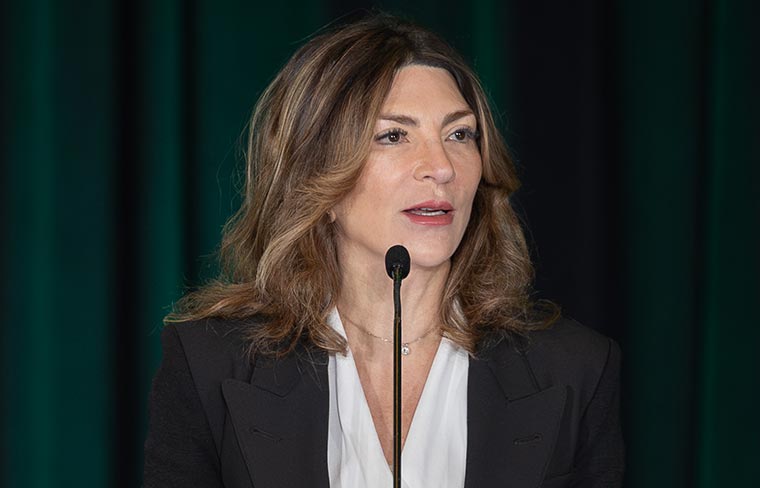
ME07: Maria A. Blasco, PhD
Targeting Telomeres in Cancer
Ballroom 6 DE – Upper Level – Convention Center
Maria A. Blasco, PhD, of the Spanish National Cancer Center, will cover the phosphorylation dynamics at play in telomere conservation and maintenance, with implications for both cancer and aging.
“Maria Blasco is a true pioneer in the field,” said Shaw. “Her work on telomeres and telomerase has helped establish the field and highlighted the intersection between cancer and aging. Importantly, her research is informing novel therapeutic approaches. For anyone interested in how basic discoveries in the lab can be translated into the clinic, this is the perfect session.”
For the most up-to-date information on session dates, times, and locations, check the Annual Meeting App and Online Itinerary Planner.
More from the AACR Annual Meeting 2026 »
View a photo gallery of scenes from San Diego, join the conversation on social media using the hashtag #AACR26, and read more coverage in AACR Annual Meeting News and on Cancer Research Catalyst, the official blog of the AACR.