The Plenary Session “Early-onset Cancers” at the AACR Annual Meeting 2026 will weave together population trends, etiologic clues, tumor biology, and real‑world outcomes to discuss potential causes and actionable opportunities in a field that is rapidly gaining attention.
This session will take place on Tuesday, April 21, in Hall H on the ground level of the convention center, from 8 to 10 a.m. PT.
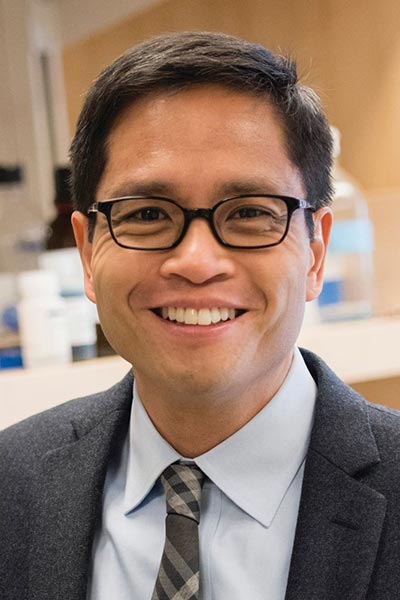
“The objective of this session is to highlight emerging evidence on the rising incidence of early-onset cancers and to explore potential biological, environmental, and societal drivers of this trend,” said Andrew T. Chan, MD, MPH, of the Massachusetts General Hospital. “By integrating population-level epidemiology, molecular insights, and clinical perspectives, we aim to move the field toward identifying causal mechanisms and actionable opportunities for prevention,” he added.
Early-onset cancers could be harbingers of broader shifts in cancer risk factors that will eventually affect all age groups, explained Chan, who is the chair of this session. Understanding what is driving these trends has direct implications for screening guidelines, preventive interventions, and how we think about cancer risk across the lifespan. As Chan noted, these trends are especially critical because they may be signaling the emergence of new or changing exposures that have not yet been fully characterized.
Hyuna Sung, PhD, of the American Cancer Society, will open the session with a sweeping look at U.S. and global surveillance data on early-onset cancers. Her talk will map rising incidence trends across multiple cancer types—including colorectal, breast, and endometrial cancers—and place them in the context of birth cohort effects, explaining how these generational patterns may reflect shifting environmental and societal exposures.
Chan’s talk, which will be the second presentation of this session, will look at the epidemiology of early-onset colorectal cancer, integrating the birth cohort effect and the growing global burden of this disease among individuals younger than 50. “I will review established and emerging risk factors and discuss approaches to move from epidemiologic correlations toward causal mechanisms, with the goal of translating these insights into strategies for prevention and risk reduction,” explained Chan.
The third talk of this session will use a genomic lens to view the genetic intricacies of early-onset colorectal cancer. Ludmil B. Alexandrov, PhD, of the University of California, San Diego, focuses on mutational signatures linked to colibactin, a genotoxin produced by certain strains of Escherichia coli in the gut. Alexandrov’s research suggests that key cancer-initiating mutations may arise very early in life, pointing to a window of microbial exposure in infancy or early childhood as a potential contributor to cancer risk that only manifests clinically decades later.
Pepper Schedin, PhD, of Oregon Health and Science University, the fourth speaker in this session, will focus specifically on young-onset postpartum breast cancer. This disease is a clinically and biologically distinct entity that is affected by reproductive and hormonal factors, including onset of menstrual cycles earlier in life and delayed age at first birth. Schedin will discuss the implications for prevention and clinical outcomes of this disease.
Chan noted that this Plenary Session will be valuable for a broad audience, including epidemiologists, cancer biologists, clinicians, and public health researchers interested in cancer etiology, prevention, and early detection, as well as anyone interested in learning more about environmental exposures, microbiome-related mechanisms, and generational shifts in cancer risk.
For the most up-to-date information on session dates, times, and locations, check the Annual Meeting App and Online Itinerary Planner.
More from the AACR Annual Meeting 2026 »
View a photo gallery of scenes from San Diego, join the conversation on social media using the hashtag #AACR26, and read more coverage in AACR Annual Meeting News and on Cancer Research Catalyst, the official blog of the AACR.